



The oil and gas industry operates on a highly decentralized structure, with critical assets distributed across refineries, processing plants, pipelines, and offshore platforms, and a strong reliance on field work and specialized contractors. In this context, any unplanned shutdown generates multimillion-dollar losses, especially when it affects equipment essential to operational continuity, such as pumps, control valves, or turbines.
Within this environment, oil and gas companies often face functional barriers when using SAP for key activities such as maintenance, logistics, or procurement. These limitations prevent information from flowing smoothly from operational sites to the ERP, creating control gaps, delays, and parallel processes that negatively impact efficiency and traceability.
Below, we outline the main challenges of using SAP in oil and gas and how they can be addressed with specific solutions tailored to this environment.
Operational challenges in the oil and gas industry
- Lack of operational visibility in distributed environments: Oil and gas companies operate in oil fields, offshore platforms, or remote refineries. In these settings, maintenance or production personnel do not have agile access to the status of their purchase orders, deliveries, or material reservations in SAP. Information in SAP is only visible to users logged into the system, forcing teams to rely on emails and phone calls to determine whether a material has been approved, purchased, or delivered.
- Critical approvals stalled due to lack of mobility: Closely related to the previous point, approvers of purchase orders, contracts, or material reservations are often located in different sites or even offline. Standard SAP requires desktop access, which delays urgent decisions such as authorizing the purchase of a valve for a downed asset or technical services for a critical inspection.
- Maintenance execution and closure without field-level traceability:
In the oil and gas industry, technicians performing maintenance on pipelines or plants must print work orders, take handwritten notes, and later submit reports that another person uploads into SAP. This prevents real-time traceability and can lead to errors or delays in technical closures, impacting maintenance KPIs and planning. - Material movements without validation or immediate posting: Spare parts consumption in remote warehouses or deliveries to contractors is still managed using paper or spreadsheets. As a result, movements are not reflected in SAP in real time, preventing stock from representing reality and making timely replenishment difficult.
- Lack of control over critical and high-value spare parts: Many oil and gas companies using SAP have duplicated or incomplete material records. This leads to unnecessary purchases, oversized inventories, and errors when requesting or planning materials. In the case of expensive, low-rotation spare parts, this translates into capital tied up without real operational need.
- Stock imbalances between plants and operational bases due to planning parameters misaligned with actual consumption: Without a consolidated and up-to-date inventory view in SAP, planning and replenishment parameters do not reflect real field consumption. This results in excess stock at certain locations and shortages at others, forcing informal internal redistributions outside the system and hindering efficient planning.
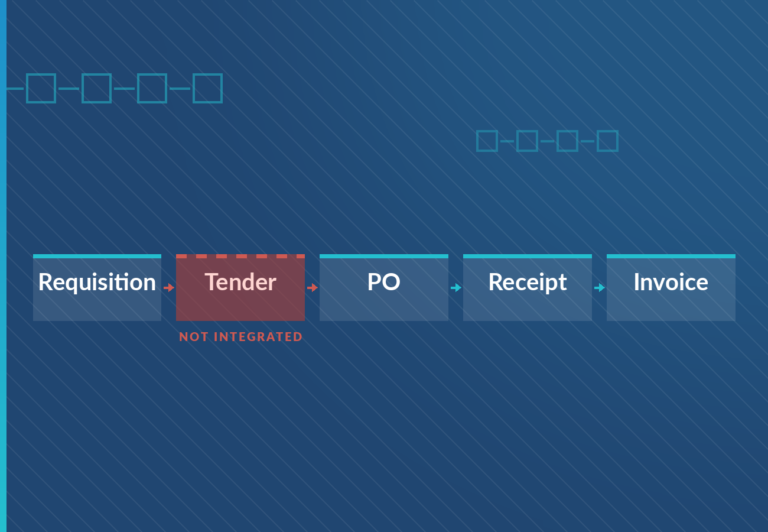
- Unstructured and poorly traceable sourcing processes: Requests for quotation for high-volume purchases or specialized services—common in oil and gas businesses—are not managed in SAP. Instead, they are handled via emails, attachments, and spreadsheets. This makes it difficult to objectively compare offers, document evaluations, or justify awards.
- High operational workload in supplier management and updates: Procurement and finance teams must contact suppliers by email to update bank accounts, tax documents, or general data. There is no structured workflow or version control over the information, increasing the risk of errors or blocked payments.
- Dependence on informal communications with suppliers: To confirm delivery dates, check order status, or follow up on invoices, buyers must contact each supplier individually by phone or email. This lack of a structured channel slows down follow-up, scatters information, and makes performance tracking difficult.

Strengthening SAP with solutions tailored to Oil & Gas needs
At Innova, we develop solutions that address the different needs of SAP users in industries such as oil and gas. Below, we present one solution for each of the challenges described above.
Visibility across the procurement and logistics cycle
SiTRACK enables real-time tracking of purchase requisitions, purchase orders, deliveries, and goods receipts in SAP through a single interface. In sectors like oil and gas, where critical materials pass through multiple stages before reaching the point of use, this visibility is essential to avoid downtime due to material shortages.
A field supervisor can easily check whether a requisition has been approved, whether a purchase order has been created, whether the supplier has confirmed delivery, or whether the material has been partially or fully received. The system detects bottlenecks or delays at any stage and automatically triggers alerts to responsible parties, reducing the need for emails or phone calls.
In addition, it allows requisitions to be reassigned among buyers based on workload, validates structural errors at the source, and consolidates the entire procurement and supply cycle into a single view, improving cross-functional coordination.
Mobile approvals to eliminate bottlenecks
SiLI allows SAP documents to be approved from any device. A manager who needs to urgently release a purchase order for a safety valve can do so from their mobile phone, with access to all relevant information: available budget, proposed supplier, and price history. Approval workflows are fully traceable, and decisions can be reversed if required.
This prevents critical requests from being blocked due to the physical absence of the approver or lack of SAP access—situations that are common in oil and gas operations. The solution also supports notification rules, consolidated views, and keeps the entire process within the ERP, ensuring regulatory compliance.
Maintenance traceability from the field
SiPM enables oil and gas maintenance technicians to manage work orders and notifications directly from mobile devices integrated with SAP. An operator at a plant can record the completion of an inspection in the system, attach photos, log hours worked, and close the order without paper or intermediaries. They can also create notifications when detecting a failure, including description, affected equipment, and priority, accelerating response times.
This ensures maintenance data is available immediately, avoids rework, improves KPIs such as mean time to repair, and facilitates audits with direct evidence of executed work.
Execution of warehouse movements in the field
SiMA digitizes all SAP warehouse movements (goods receipts, issues, transfers, inventories) and brings them to mobile devices. In a refinery warehouse or a remote camp, warehouse staff can record issues or receipts using scanners, attach photos of material condition, and digitally sign deliveries.
Data is updated in SAP instantly, preventing manual entry errors and enabling more informed decisions on available stock. SiMA also allows validation of the recipient’s identity, ensuring that only authorized personnel can withdraw spare parts, and supports transfers between warehouses.
Material master data governance
SiDM Materials establishes rules to prevent duplicates and errors in material master data—an issue frequently reported by oil and gas companies using SAP. It detects whether a spare part already exists with similar descriptions or codes, enforces completion of key fields, and ensures each material is extended to the required plants, storage locations, and views.
This reduces stock dispersion, avoids unnecessary purchases, and ensures that planning, procurement, and maintenance work with a reliable master data foundation. The solution also includes approval workflows by area (warehouse, maintenance, finance) and reports to identify incorrectly configured materials.

Efficient supplier management
SiDM Suppliers is designed to ensure the quality, consistency, and traceability of supplier master data in SAP. It structures supplier creation and maintenance through configurable forms, automatic validations, duplicate checks, and internal approval workflows.
With this solution, procurement, compliance, finance, and legal teams within an oil and gas company using SAP can participate at each stage of the supplier lifecycle according to organizational criteria. The system verifies that mandatory fields are completed, validates sensitive data such as tax IDs and bank accounts, and prevents duplicate supplier records.
It also maintains full traceability of all changes applied to supplier data, including what was changed, when, and by whom. This strengthens internal control, facilitates audits, and ensures the supplier master remains clean, up to date, and aligned with corporate policies.
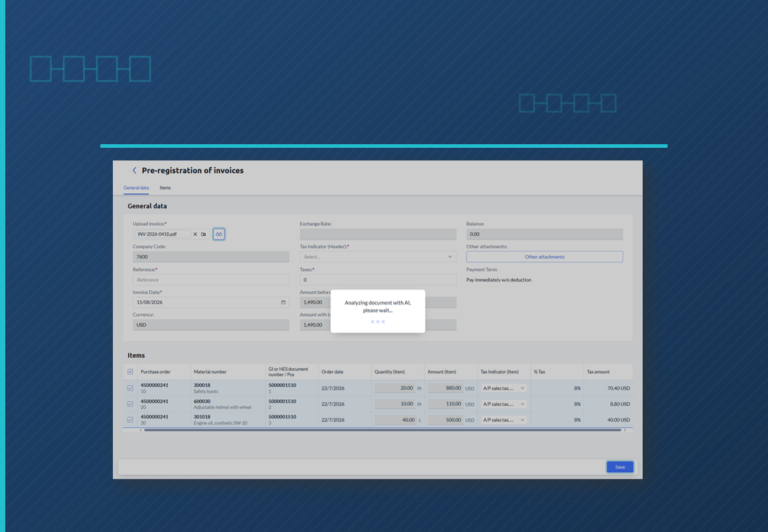
In parallel, the SiPRO solution provides oil and gas companies using SAP with a supplier portal where suppliers can check the status of their purchase orders, deliveries, and payments. Suppliers no longer need to contact procurement or finance by email to know whether an invoice has been approved or when a delivery is due. They can also submit invoices through the portal, which automatically validates quantities and prices against SAP, preventing errors.
The portal also enables message exchanges linked to each purchase order, attachment of documents such as quality certificates or delivery notes, and downloading of withholding certificates. All communication is logged, simplifying follow-up and reducing repetitive inquiries.

Proactive materials planning
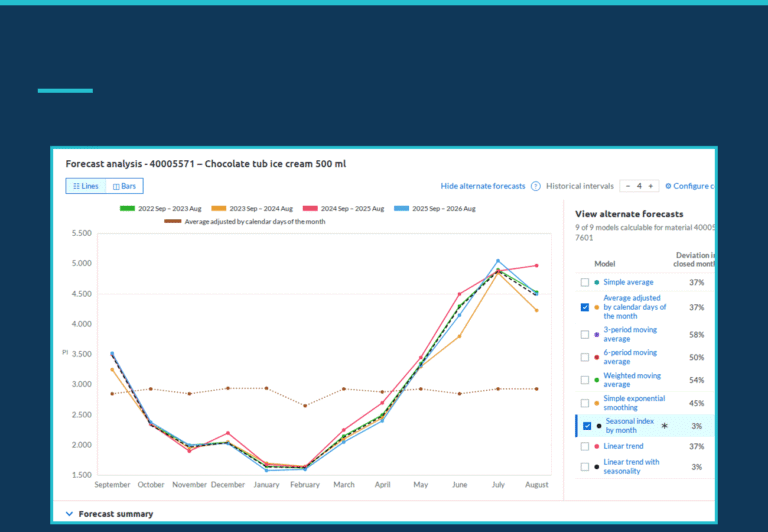
SiMPL optimizes materials planning in SAP by anticipating shortages or excesses. It projects future coverage based on actual consumption, triggers alerts if a spare part is expected to fall below minimum stock before the next replenishment, and allows planners to adjust parameters such as reorder point or lot size from the same view.
A planner can see all future requirements for a critical spare part used in rotating equipment maintenance on a single screen and simulate scenarios such as supplier delays. SiMPL also supports recalculation of safety stock based on historical consumption and inventory consolidation across plants to avoid unnecessary purchases.
Digitization of sourcing and tendering processes
SiGO enables full management of sourcing and tendering and RFP processes directly integrated with SAP. From the purchase requisition, buyers can launch an RFQ/RFP process in the portal, invite suppliers, and receive structured bids. The solution allows comparison of proposals using configurable technical and commercial matrices and records award criteria.
This replaces email and spreadsheet-based exchanges that make it difficult to justify awards and ensures the entire process is transparent, auditable, and compliant with corporate policies. Once the award is completed, the solution generates the SAP purchase order without re-entering data.