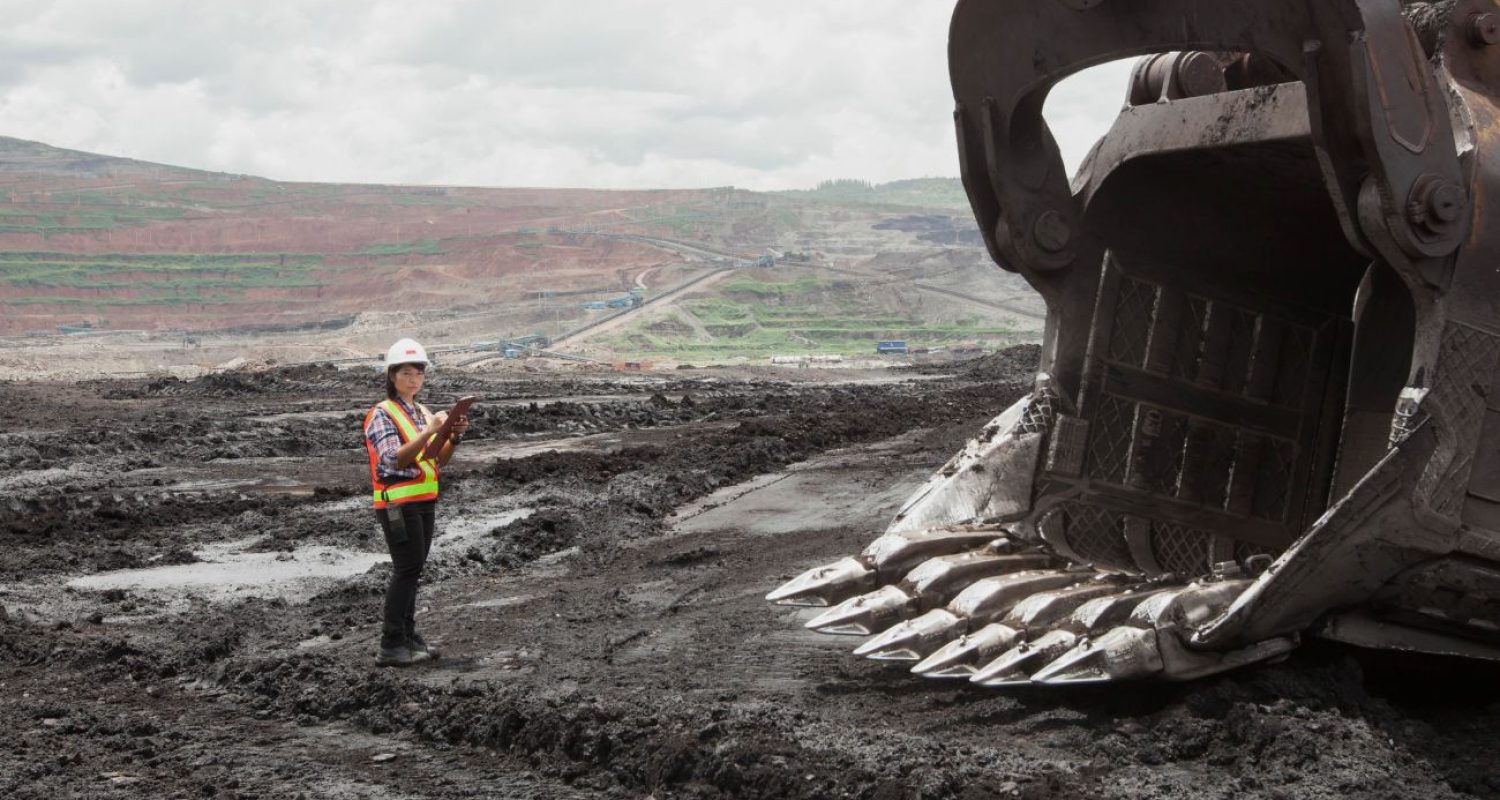
Organizations often make the mistake of thinking that stockouts are exclusively a failure of planning algorithms. However, in our experience, the root of these shortages usually lies in the lack of alignment between actual field consumption, Master Data integrity, and the agility of procurement processes in geographically distributed environments. Implementing SAP Best Practices in the mining industry therefore requires a holistic vision that reinforces the SAP standard with solutions capable of capturing mine reality in real-time.
In this article, we’ll break down how leading mining organizations are redefining their operations by adopting these best practices, focusing on eliminating SAP’s operational “blind spots” in the mining industry and optimizing every link in the supply chain—from the work front to warehouse receipt—to prevent stockouts.
Main Challenges in Preventing Stockouts in SAP
To understand why these SAP best practices are necessary in the mining industry, we must first analyze the structural frictions that prevent a standard ERP like SAP S/4HANA or ECC from responding with the necessary agility in an extractive environment.
Lack of visibility of actual stock in remote locations
One of the most recurring operational pain points we have identified is the “invisibility” of inventory in transit or at field locations. In mining, stock is not only found on the shelves of a central warehouse; it flows through mobile workshops, service trucks, and remote tool cribs. When the SAP system does not offer real-time visibility into these locations, the MRP processes requirements based on a theoretical availability that does not match physical reality, causing critical spare part Purchase Orders not to be triggered until it is too late.
Mismatches between actual consumption and SAP records
The time lag between the physical consumption of a material and its accounting entry in Transaction MIGO is the primary enemy of operational continuity. In many mining companies, SAP operators withdraw materials and report consumption at the end of the shift or even days later. During this interval, the information in SAP is fiction. Following SAP best practices in the mining industry involves closing this gap, as any delay in registration distorts the Stock/Requirements List, preventing a proactive response to stock depletion.
Planning parameters that do not reflect reality
In our audits, it is common to find materials whose Safety Stock levels, Reorder Point, and Lead Time were configured during system implementation and never reviewed. Best practices in mining require these technical parameters to be dynamic. In this sector, supplier delivery times can double due to weather conditions or transport strikes; if SAP does not adapt its planning to these variables, the risk of a stockout is imminent.
Inconsistent Master Data
In any supply chain, database quality is the foundation of the entire supply chain. Inconsistent Master Data—such as duplicate materials or errors in Units of Measure—fragments demand and distorts procurement needs. SAP best practices establish that without clean and governed Master Data, any logistics optimization effort will be futile, as the system will amplify errors rather than mitigate them.
Replenishment delays due to slow procurement processes
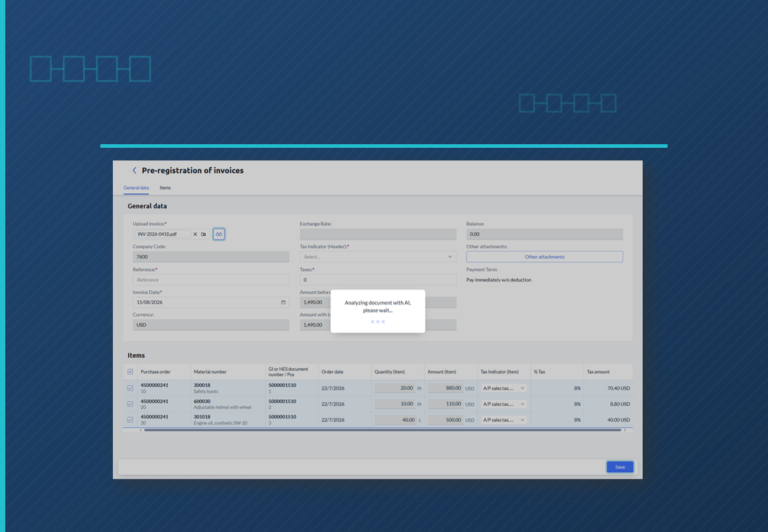
Even when SAP correctly detects a requirement, administrative bureaucracy in many mining businesses can be the operational bottleneck. Slow purchasing processes, with Release Strategies that depend on an approver physically accessing the ERP, delay the arrival of critical materials. Our vision for best practices in this industry requires providing the system with mobility and agility throughout the Procurement Cycle, ensuring that replenishment occurs at the pace the mine demands.
Difficulty in anticipating needs in variable operations
The nature of the mining industry is inherently variable. Changes in ore grade or unforeseen failures in critical equipment suddenly alter demand. The SAP standard often lacks the flexibility to anticipate these supply risks before they turn into plant shutdowns. Therefore, best practices advocate for tools that allow proactive monitoring of the entire supply chain.

Preventing Stockouts: Reinforcing SAP with Innova Solutions
To overcome these challenges, our recommendation as expert consultants in this sector is to integrate solutions that close the technical “gaps” of the standard. Below, we detail how the Innova ecosystem allows for the comprehensive execution of SAP best practices in the mining industry, addressing each of the challenges mentioned above.
Reliable capture of actual field consumption: SiMA
Mobility is the first pillar in avoiding stockouts. SiMA allows field personnel to record material movements directly at the point of operation, ensuring that stock in SAP reflects physical reality instantly.
- Real-time Recording: SiMA enables the execution of Goods Receipts, Stock Transfers between plants, and consumption against Maintenance Orders from mobile devices with a simple user interface.
- Scanning Technology: Using barcodes or QR codes, manual transcription errors that typically corrupt inventory are eliminated.
- Technical Evidence: The solution allows for the capture of photos, digital signatures, and geolocation, providing the superior traceability required by mining industry standards.
- Connectivity: By supporting offline operations with subsequent synchronization via standard BAPIs, it guarantees that the mine never loses control of its materials, even in areas without coverage.
Consistent database for planning: SiDM Materials
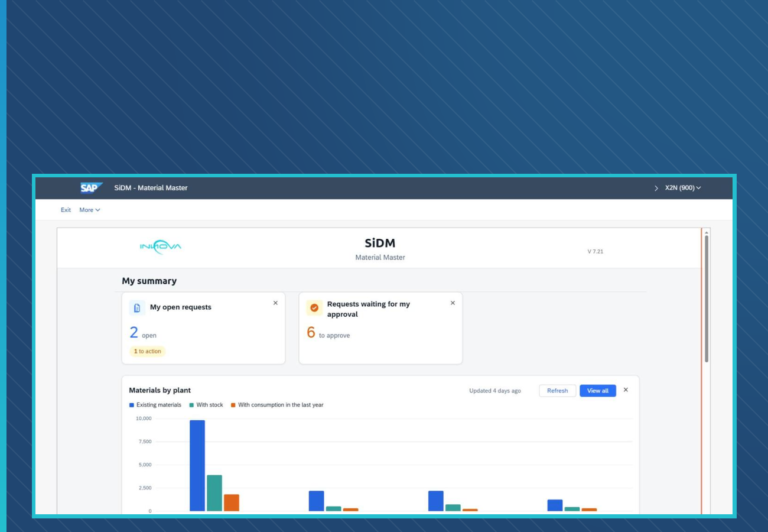
As mentioned previously, planning is only as good as the data that feeds it. Therefore, SiDM Materials guarantees the quality of the Material Master, complying with best practices from the point of data origin.
- Data Governance: Establishes business rules that automatically validate critical fields before allowing the creation or modification of a material.
- Duplicate Prevention: Uses search algorithms based on key fields (EAN, OEM), text, and classification characteristics to ensure that redundant SKUs are not created.
- Automatic Extension: Ensures materials are created with all necessary views and correctly extended to the required organizational units (plants/storage locations), avoiding subsequent transactional errors.
- Mass Processing: Facilitates data cleansing and the mass adoption of business rules, ensuring best practices are applied efficiently across the entire material catalog.
Dynamic planning adjustment: SiMPL
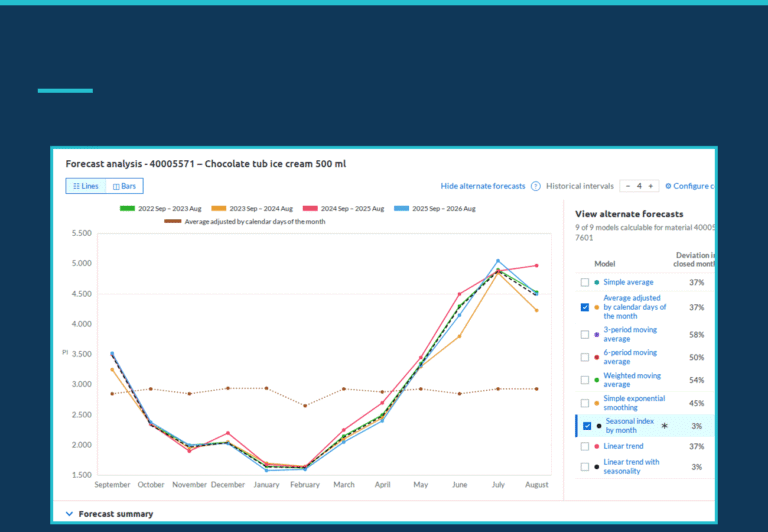
For replenishment to be effective, it must adapt to operational reality. SiMPL is the tool that allows for the dynamic adjustment of logistics parameters, one of the most advanced best practices for inventory optimization.
- Parameter Optimization: SiMPL analyzes consumption history and supplier performance to automatically recalculate values such as Safety Stock and Reorder Point.
- Lead Time Adaptation: If a supplier suffers recurring delays, the system adjusts planning to protect the operation, preventing external variability from causing an internal stockout.
- Risk Reduction: By aligning replenishment with actual operating conditions, it ensures that critical materials are available without incurring inefficient overstock.
Reduction of replenishment times: SiLI and SiGO
Administrative speed is fundamental to avoiding supply breaks. SiLI and SiGO streamline the approval and purchasing processes, eliminating critical bottlenecks.
- SiLI – Smart Releases: Allows managers to approve release strategies for Purchase Orders (PO) and Purchase Requisitions (PR) from any mobile device. This ensures an urgent purchase is not halted because the person responsible is not at their SAP terminal.
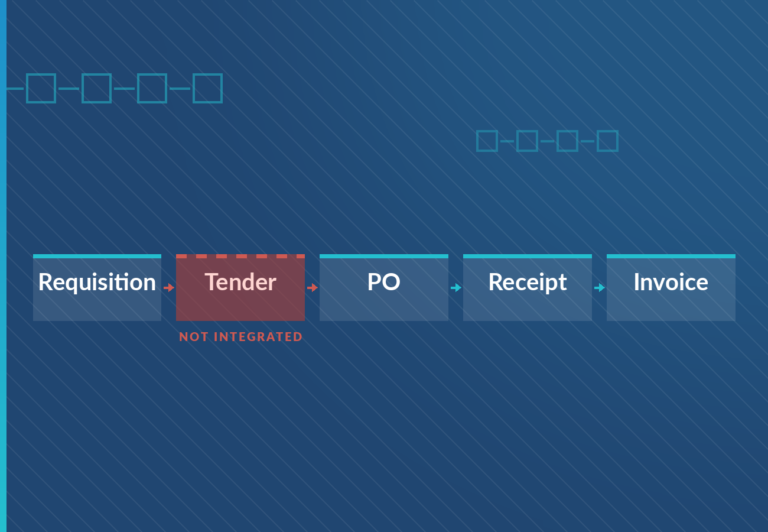
- SiGO – Bid and Tender Management: Centralizes interaction with suppliers in an integrated portal. It facilitates the creation of RFQ/RFP processes with a single click from SAP, allowing for supplier invitations and automatic bid comparisons.
- Award Efficiency: By streamlining communication and the receipt of offers, the time required to issue a Purchase Order is drastically reduced, ensuring faster replenishment.
Early visibility of supply risks: SiTRACK
Effective prevention requires seeing beyond the warehouse. SiTRACK allows for monitoring the status of every order and delivery, offering total traceability and facilitating the early detection of potential shortages.
- Single Point of Entry: Provides a user-friendly report where all stages of the process can be visualized, from the initial Purchase Requisition to the Invoice Receipt.
- Import Monitoring: Allows for the parameterization of import process stages and integrates with services like SeaRates to automatically update shipment status.
- Proactive Alerts: Identifies delays and allows for immediate corrective actions, such as reassigning orders or seeking alternative suppliers before a stockout impacts production.
- Purchase Requisition Management: Includes functions to automatically return incomplete requisitions, improving the quality of information reaching the procurement team and fulfilling SAP best practices in the mining industry.
Preventing stockouts in mining isn’t about deploying more SAP — it’s about closing the gaps the standard leaves open. Innova’s solutions integrate natively into your SAP ECC or S/4HANA environment, with no custom development required.
Want to see how it works in your operation? Schedule a 30-minute demo and we’ll walk you through it.